Why Coastal Living Requires Passive Airflow Design
In Visakhapatnam, where humidity routinely hovers above 70% for six months of the year, relying purely on air conditioning results in exorbitant monthly electricity bills and poor indoor air quality.
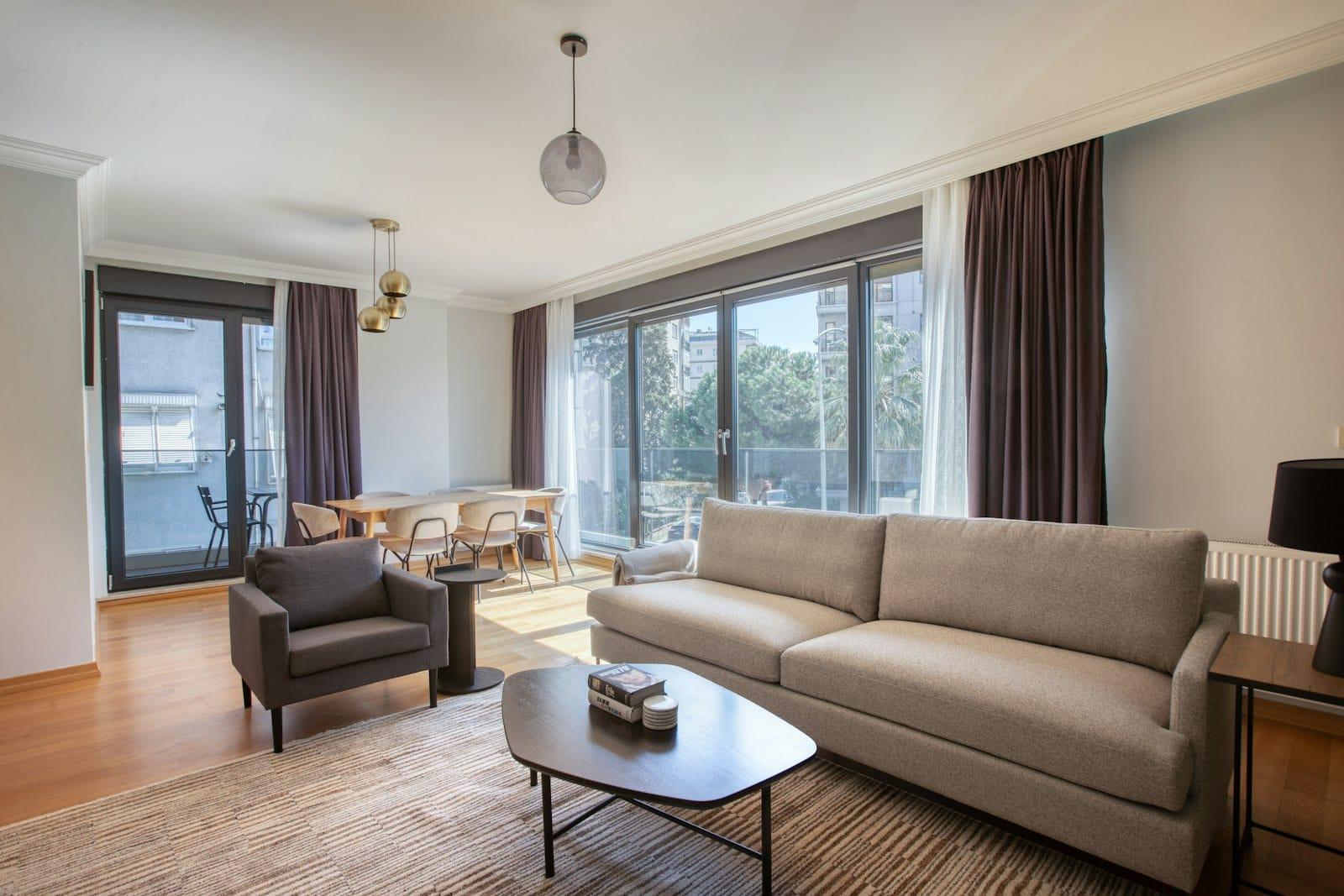
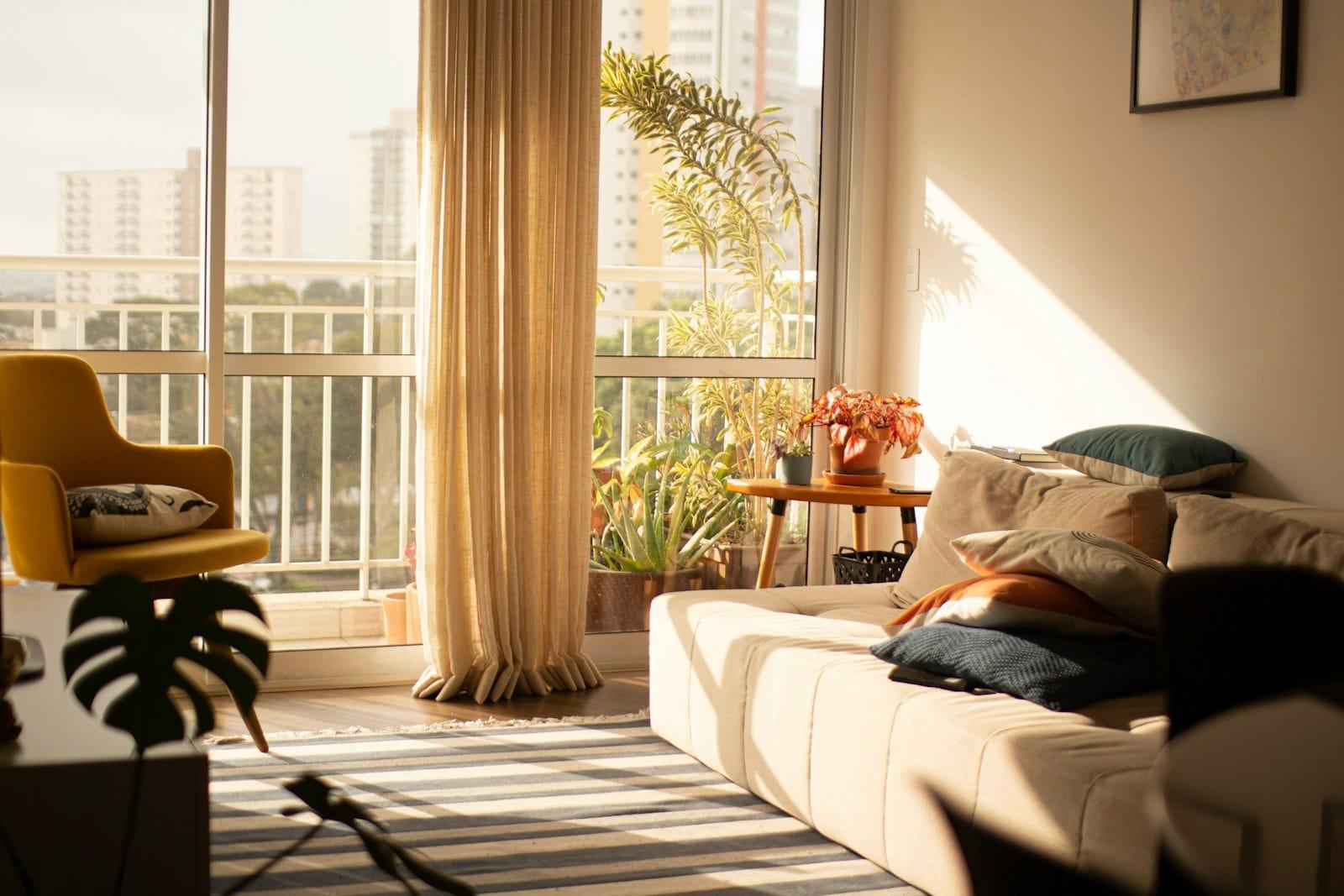
A thoughtfully designed apartment leverages passive bioclimatic design: capturing prevailing coastal sea breezes, orienting windows to minimize harsh afternoon solar glare, and creating natural pressure differentials across opposing rooms.
1. Vizag's Wind Vectors: The Southwest–Northeast Axis
During the hot pre-monsoon and monsoon months (March to October), prevailing winds in Visakhapatnam blow predominantly from the South and Southwest (Sea to Land). During winter, breezes shift toward the Northeast.
- Optimal Living / Balcony Placement: South and East-facing openings receive cool sea breezes without bearing the brunt of the scorching afternoon West sun.
- Cross-Ventilation Mechanics: Air only flows if there is both an inlet and an outlet. A room with a single window will not ventilate; a room with windows on two opposing or adjacent walls creates an active draft that lowers perceived room temperatures by 2°C to 4°C naturally.
2. The 7-Foot Wide Corridor Advantage
Most standard commercial apartment blocks squeeze common corridors down to 4.5 or 5 feet to cut construction costs. In contrast, SV Constructions designs 7'0" wide open-air corridors:
- Natural Thermal Chimney: Warm air rises and escapes freely into the atmosphere rather than circulating back into apartment doorways.
- Unobstructed Furniture Movement: Moving king-sized beds, sofa sets, or appliances is effortless.
- Natural Daylight: Daylight illuminates the common walkways all day, eliminating the need for daytime electric corridor lights.
- •Energy Conservation Building Code (ECBC) - Residential Passive Design Guidelines — Bureau of Energy Efficiency (BEE)
- •Indian Standard IS 3362: Code of Practice for Natural Ventilation in Residential Buildings — BIS
Frequently Asked Questions
The National Building Code mandates a minimum window-to-floor area ratio of 15% to 20% in hot-humid coastal zones like Visakhapatnam to ensure sufficient air exchanges and daylight penetration.
Discuss This Guide With Our Engineering Desk
Have questions about floor plan efficiency, material standards, or RERA approvals in Visakhapatnam? Connect directly with our senior civil engineering team.